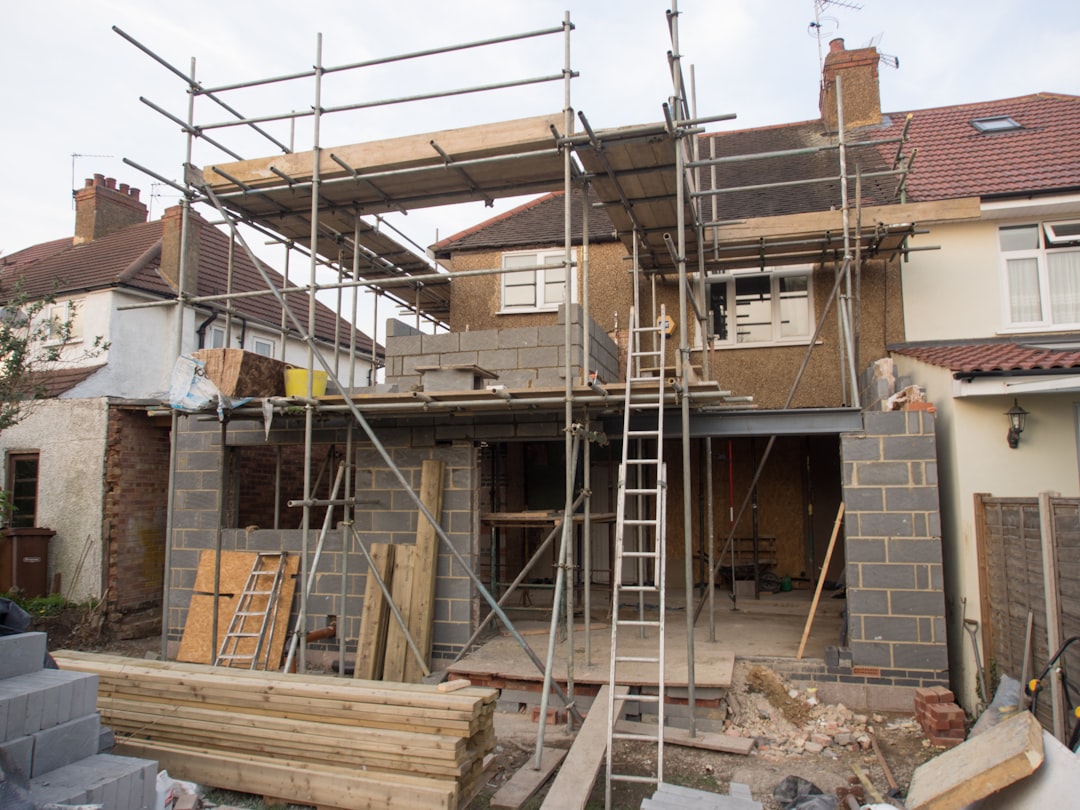
Taking on a DIY roofing project can be a rewarding way to cut costs and gain practical skills, particularly for smaller outbuildings, extensions or repairs. However, it’s not a task to approach lightly. From sourcing materials to understanding structural elements, there’s a lot to consider before getting started. One of the key decisions you’ll make early on is selecting a reliable roof purlin supplier, as purlins play a critical role in supporting your roof structure and ensuring long-term stability.
Planning ahead and understanding both the costs and technical requirements will help you avoid common pitfalls and keep your project on track.
Understanding The Basics Of DIY Roofing
At its core, roofing involves more than simply laying tiles or sheets. The structure beneath — including rafters, battens and purlins — provides the framework that supports the entire system. Purlins, typically made from steel or timber, run horizontally to support the roof covering and distribute loads evenly.
For DIY projects, many homeowners opt for lightweight roofing systems such as corrugated sheets or metal panels, particularly for garages, sheds or garden rooms. These are generally easier to install and require fewer specialist tools. However, even simple roofing jobs demand accurate measurements, proper spacing of supports, and a solid understanding of load-bearing requirements.
Typical Costs Of A DIY Roofing Project
Costs can vary significantly depending on the size of your project, the materials used and whether you need to purchase or hire tools. As a rough guide, basic DIY roofing projects in the UK might include:
- Materials (tiles, sheets, fixings): £500–£2,500 depending on size and quality
- Structural components (including purlins and timber): £300–£1,500
- Tools and equipment: £100–£500 (if not already owned)
- Waste removal or skip hire: £150–£300
While DIY can save on labour costs, it’s important not to compromise on material quality. Investing in durable components from a reputable roof purlin supplier will help ensure your roof remains structurally sound and weather-resistant for years to come.
Choosing The Right Roofing Materials
The choice of materials will largely depend on your budget, the building type and your level of experience. Common DIY-friendly options include:
- Corrugated metal sheets: Lightweight, affordable and quick to install
- Bitumen sheets: Cost-effective and suitable for sheds or garages
- Clay or concrete tiles: More traditional but heavier and more complex
- Polycarbonate panels: Ideal for conservatories or covered outdoor spaces
Each material has its own installation requirements, so it’s essential to check compatibility with your chosen support structure. For example, heavier tiles will require more robust purlins and closer spacing than lightweight sheets.
How To Install Roof Purlins And Coverings
Installing purlins is a critical stage in the roofing process, as they provide the framework that supports the outer covering. Accuracy is key here, as uneven spacing or poor alignment can lead to structural issues later on.
Start by measuring and marking where each purlin will sit, ensuring consistent spacing across the roof. Fix the purlins securely to the rafters using appropriate brackets or fixings, checking that each one is level before moving on. Once the purlins are in place, you can begin attaching your chosen roofing material, working methodically from one side to the other.
For example, when installing corrugated sheets, overlap each panel according to the manufacturer’s guidelines and secure them using weatherproof fixings. This prevents leaks and ensures the roof can withstand wind and rain.
Finding Reliable Roofing Suppliers In The UK
Sourcing high-quality materials is one of the most important aspects of any DIY roofing project. Working with a trusted supplier ensures you receive products that meet UK building standards and are suitable for your specific application.
When choosing a supplier, consider factors such as:
- Product range and availability
- Delivery options and lead times
- Technical support or guidance
- Customer reviews and reputation
A dependable roof purlin supplier will not only provide the materials you need but also offer advice on sizing, load capacity and installation best practices.
Safety Considerations For DIY Roofing
Roofing work comes with inherent risks, particularly when working at height. Proper safety precautions are essential, even for smaller projects.
Always use stable ladders or scaffolding, wear non-slip footwear and avoid working in poor weather conditions. It’s also advisable to have someone on hand to assist or supervise, especially when lifting materials or securing large panels.
For more complex or large-scale roofing jobs, it may be worth consulting a professional, even if you plan to carry out some of the work yourself.
Featured image credit: Brett Jordan via Unsplash.