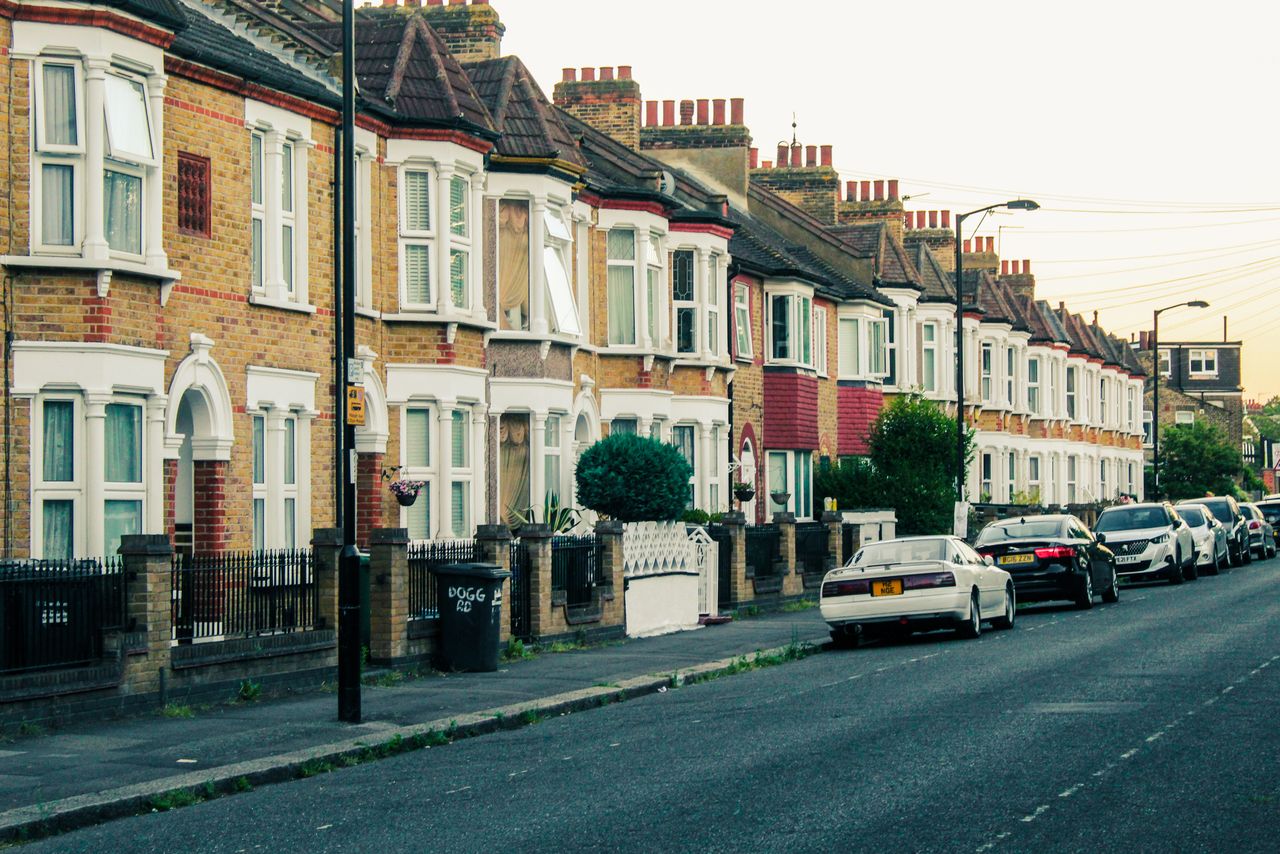
Older British homes have a particular charm: bay windows, narrow staircases, slightly uneven floors and, quite often, electrics from another era. The problem is that period character can conceal practical weaknesses. A house that has been extended, rewired in stages or altered room by room can end up with a patchwork system that no longer fits modern life.
Households now ask far more of their wiring than they did twenty or thirty years ago. Home working, kitchen appliances, garden offices, electric showers and chargers all add demand to circuits that may have been planned for a simpler routine. Often the warning signs are subtle, not dramatic: sockets in the wrong places, lights that trip without warning, or a consumer unit that looks past its best.
That is why local knowledge matters. Someone searching for an electrician Tring is often looking for more than a quick fix. They need somebody who understands the quirks of homes in market towns and nearby villages, where older housing stock is common. Electrical work in these properties is rarely the same from house to house, and the best results usually come from careful inspection, not guesswork.
What usually deserves a second look
- Outdated fuse boards or awkwardly added extensions
- Insufficient sockets leading to heavy reliance on adapters
- Lighting circuits that have been altered over time
- Signs of wear around switches, fittings or older cabling
None of this means every older home is unsafe, but it does mean a sensible review is often worthwhile. Electrical systems are easy to ignore when they seem to work. Yet they are also one of the clearest signs of how a house has been used and adapted over the years. Updating them thoughtfully is less about stripping out character and more about making sure the home can handle present-day life without unnecessary risk.
Image credit: Daniel Skip for Pexels.