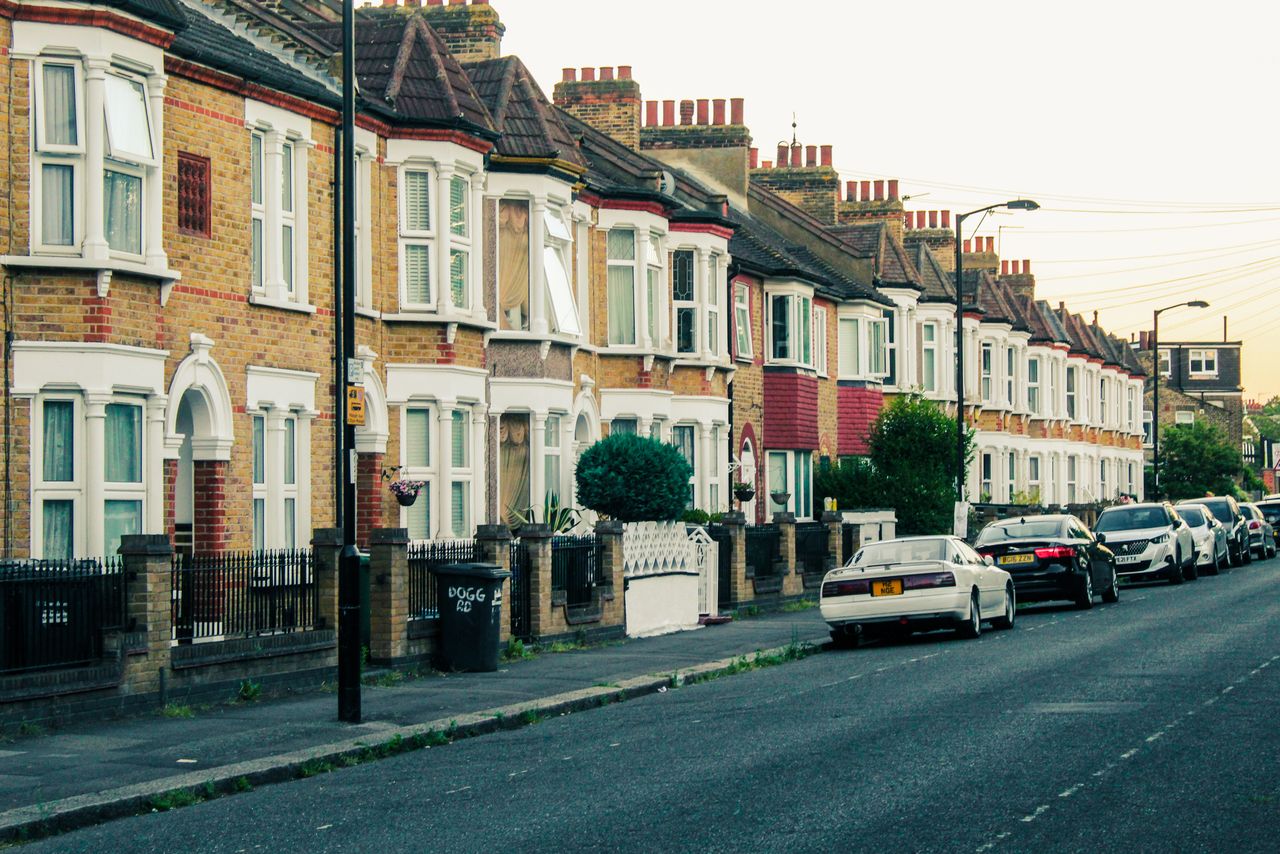
Property investment is often described as a numbers game, yet many investors focus heavily on renovation costs and potential rental income while overlooking one critical factor: the ceiling price of the street.
No matter how impressive your refurbishment or extension may be, every location has a limit to what buyers are prepared to pay. Understanding this ceiling price can mean the difference between a profitable project and an expensive lesson.
What Is a Ceiling Price?
A ceiling price is the maximum market value that properties in a particular street or neighbourhood are likely to achieve under current market conditions.
It represents the upper limit of buyer demand within that area. Even if you significantly improve a property, it may struggle to exceed this threshold because purchasers have alternative options in nearby locations.
In simple terms, you cannot always renovate your way beyond what the local market is willing to pay.
Why Investors Often Get It Wrong
Many property investors become focused on creating the best house on the street.
While high-quality renovations can certainly increase value, there is a point where additional spending produces diminishing returns. A luxury kitchen, premium flooring, designer bathrooms, and bespoke features may look impressive, but buyers in that location may not be willing to pay enough to justify the investment.
The result is a property that has been improved beyond the expectations of the local market.
Research Comparable Sales First
Before purchasing any property, investors should analyse recent comparable sales.
Look for:
- Similar property types
- Similar square footage
- Similar plot sizes
- Recently renovated examples
- Sales completed within the last 6 to 12 months
These comparisons provide valuable insight into the highest prices being achieved locally.
If the best properties on the street consistently sell for £450,000, it’s unlikely that spending heavily on a renovation will suddenly create a £550,000 home.
Avoid Overcapitalisation
Overcapitalisation occurs when renovation costs exceed the value they add to the property.
This is one of the most common reasons property projects fail to achieve expected profits.
For example, if you purchase a property for £300,000 and invest £120,000 in renovations, your total investment becomes £420,000 before financing costs, legal fees, and taxes. If the street’s ceiling price is £430,000, there is very little room for profit.
Understanding local value limits before work begins helps investors establish realistic budgets and avoid costly mistakes.
The Best Property Isn’t Always the Most Profitable
Many successful investors focus on creating one of the better properties on a street rather than the absolute best.
The objective should be to meet or slightly exceed buyer expectations without dramatically surpassing them.
A well-presented property with modern finishes often generates stronger returns than an ultra-luxury refurbishment in a mid-market location.
Profitability comes from aligning improvements with local demand rather than personal preferences.
How to Identify a Street’s Ceiling Price
Several factors influence local value limits:
Historical Sales Data
Past transactions reveal what buyers have actually paid, not what sellers hoped to achieve.
Property Type
Detached homes, semi-detached houses, terraces, and flats each have different pricing ceilings.
School Catchments
Strong school catchment areas can increase demand and raise value thresholds.
Transport Links
Good connectivity often supports higher property values and stronger buyer demand.
Neighbourhood Quality
The overall condition and desirability of surrounding properties significantly affect achievable prices.
When Ceiling Prices Can Change
Ceiling prices are not fixed forever.
Infrastructure improvements, regeneration projects, new transport links, and changing demographics can all increase property values over time.
However, investors should base decisions on current market realities rather than future speculation. Banking on major price growth that may never arrive can introduce unnecessary risk.
Think Like a Business Owner
Successful property investors approach projects like business owners rather than homeowners.
The goal is not to create your dream house. The goal is to create a product that appeals to local buyers while generating an acceptable return on investment.
Every pound spent should have a clear purpose and a realistic expectation of adding value.
Final Thoughts
The ceiling price of a street is one of the most important figures any property investor can understand.
Ignoring it can lead to overcapitalisation, reduced profits, and disappointing project outcomes. Respecting it helps guide smarter purchasing decisions, renovation budgets, and exit strategies.
Before committing to your next property project, spend time researching comparable sales and understanding the limits of the local market. It may be the most valuable due diligence you perform—and it could protect both your profits and your long-term investment success.